By Shawn Moradi
September 4, 2026
Restoring a vehicle after a severe collision or long-term environmental wear requires a delicate balance of technical engineering, advanced metallurgy, and refined artistry. In the fast-paced hustle and bustle of daily life, our vehicles often bear the brunt of unexpected damages, whether from high-speed highway accidents, parking lot collisions, natural wear and tear, or harsh environmental factors. Specialized facilities dedicated to overall vehicle restoration play an essential role in returning a car to its original visual glory while ensuring its underlying structural integrity, passenger safety, and operational longevity.
Modern automobiles are complex machines built using high-strength steel alloys, lightweight aluminum, complex electrical systems, and precise geometric tolerances. When a collision occurs, addressing the resulting damage goes far beyond basic cosmetic touch-ups or replacing a cracked plastic bumper cover. Highly skilled professionals utilize cutting-edge machinery, precise laser measuring systems, specialized downdraft paint booths, and advanced diagnostic software to manage complex realignments and flawless surface finishes. Understanding how auto body shops operate provides clear insight into why professional intervention is vital for maintaining a vehicle's safety, value, and overall performance over time.
Restoring Structural Integrity and Performing Essential Services
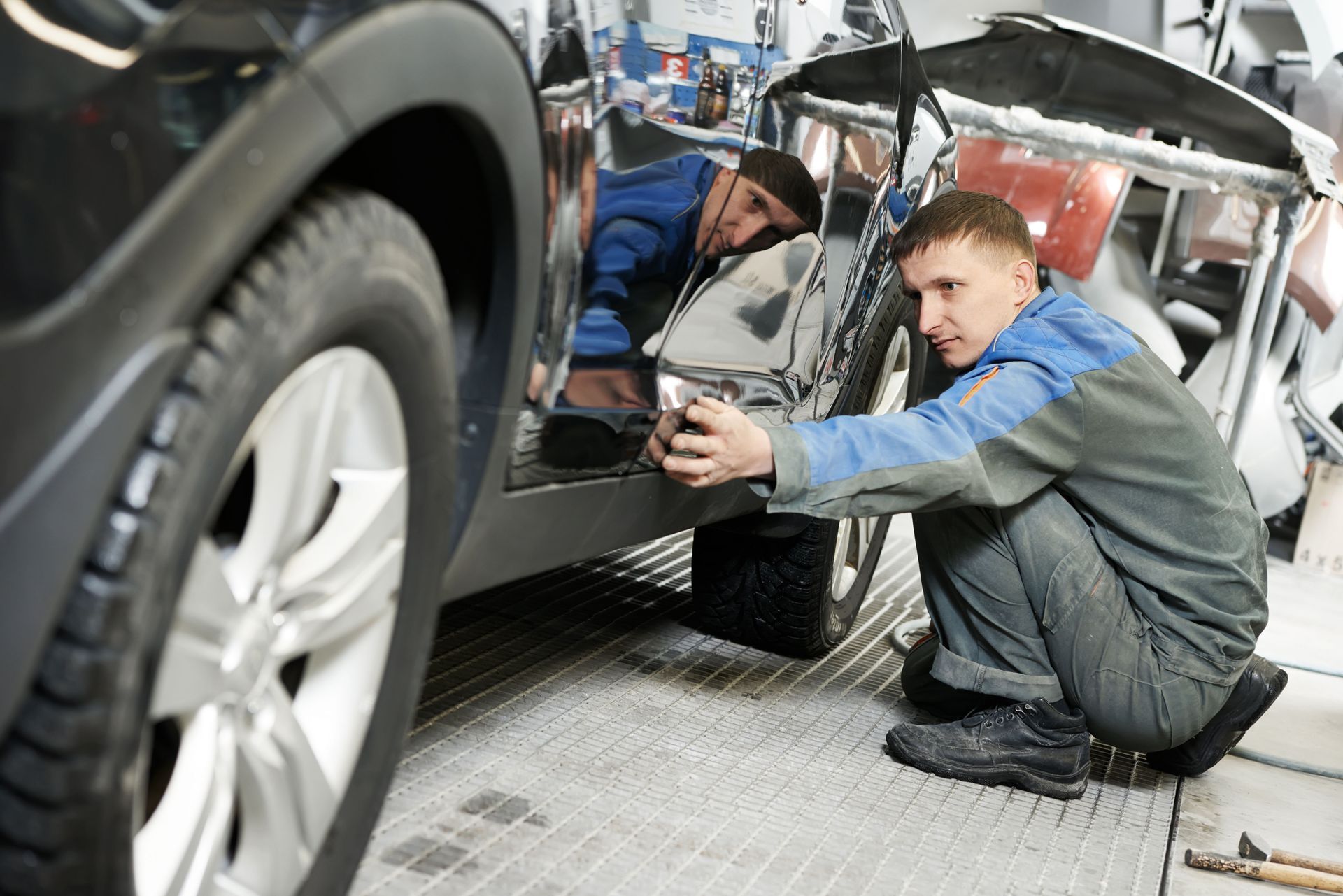
The primary objective of complete vehicle restoration is returning a damaged frame or unibody structure to its original factory specifications. When a vehicle suffers a severe impact, the structural chassis is engineered to absorb force through crumple zones to protect the passenger cabin. This intentional design feature means that underlying structural damage can be severe even if the exterior body panels look relatively unharmed. Expert collision technicians utilize heavy-duty hydraulic frame-straightening equipment alongside three-dimensional laser measuring systems to pull, realign, and reshape the vehicle metal back to precise millimeter tolerances set by original equipment manufacturers.
Beyond major structural alignment, dedicated restoration facilities offer a broad spectrum of technical services to repair both internal structural damage and external aesthetic flaws. They address the underlying damages that may not be immediately visible but are crucial for the vehicle's safety and performance. For example, frame alignments and structural welding are done to ensure a vehicle's structural integrity post-collision. Moreover, with the average auto repair shop servicing 2.2 vehicles per bay per day, according to PartsTech, efficiency and precision are key in delivering high-quality service consistently. The comprehensive offerings of auto body shops underscore their essential role in the automotive maintenance ecosystem.
Evaluating Damage and Estimating Repair Costs Accurately
The restoration journey always begins with a meticulous and highly methodical damage evaluation process. Upon arrival at the repair facility, a vehicle undergoes a thorough visual inspection alongside specialized computerized diagnostic scans. Technicians systematically examine the vehicle exterior, suspension system, wheel alignment, steering linkages, and underlying mechanical components. This comprehensive initial step allows trained professionals to pinpoint both obvious surface damage and hidden structural shifts or electronic faults that could compromise performance and safety if left unaddressed during the repair phase.
Once the initial physical assessment and diagnostic scans are complete, experienced service estimators use specialized software to calculate repair costs and operational timelines transparently. They generate itemized estimates that clearly break down replacement parts, specialized labor hours, structural frame work, paint materials, and refinishing procedures. This transparent cost breakdown prevents unexpected financial surprises for the vehicle owner while serving as an official baseline record for processing insurance claims. By documenting every dent, crease, frame displacement, and computer diagnostic code with high-resolution digital photography and clear reports, professional auto body shops maintain total transparency with car owners throughout the entire repair cycle.
Applying Advanced Paint and Surface Refinishing Techniques
Achieving an invisible repair requires meticulous surface preparation, precision mixing, and specialized application techniques. Modern factory automotive paint finishes consist of multiple engineered layers, including anti-corrosion primers, color base coats, and protective clear coats that must be replicated perfectly to match the rest of the vehicle. Skilled refinishing technicians utilize digital spectrophotometers to analyze the existing finish on undamaged sections of the vehicle, taking into account original factory color codes as well as subtle color fading caused by sun exposure, climate variations, and environmental pollutants over time.
Once the custom color formula is digitally calculated and mixed, the refinishing process takes place inside specialized, climate-controlled downdraft spray booths. These highly regulated environments continuously filter intake air to eliminate microscopic dust particles while maintaining ideal temperature and humidity levels for smooth, uniform application. Technicians apply multiple thin layers of primer and color coat, followed by a durable clear protective layer that shields the vehicle from future ultraviolet rays, road salt, chemical exposure, and minor surface scratches. The newly painted surface is then carefully cured under thermal lamps, buffed, and hand-polished to produce a deep, flawless shine that blends seamlessly with the surrounding original factory panels.
Navigating Insurance Claims and Managing Customer Logistics
Filing paperwork and securing repair approvals following a major vehicle accident can be a complex and stressful experience for car owners. Professional collision centers act as vital intermediaries between vehicle owners and insurance companies to streamline the entire claim lifecycle from start to finish. Experienced service advisors submit detailed digital estimates, photographic evidence, and technical frame reports directly to insurance adjusters, helping eliminate costly delays and ensuring that all necessary structural, mechanical, and cosmetic repairs receive formal approval before work begins.
In addition to managing complex administrative paperwork, professional restoration facilities prioritize customer convenience by coordinating complete transportation logistics during the repair period. Many facilities offer direct partnerships with major car rental agencies, allowing drivers to drop off their damaged vehicles and pick up a temporary rental vehicle at a single convenient location. By handling initial vehicle pickup, structural repair work, direct insurance billing, and rental returns under one roof, full-service auto body shops remove the stress and operational headaches from the vehicle restoration process.
Ensuring Safety Through Certified Technical Standards
Modern automobiles are equipped with complex networks of advanced driver assistance systems, including lane departure warnings, adaptive cruise control, automatic emergency braking, and blind-spot monitoring sensors embedded directly behind bumper covers, side mirrors, and windshield glass. When a vehicle undergoes exterior bodywork or structural realignment, these delicate electronic safety components must be meticulously recalibrated using specialized digital targets and scanning tools. Certified technicians undergo continuous professional training to ensure every electronic safety feature operates precisely as intended by the manufacturer before the vehicle returns to the road.
Rigorous quality control inspection protocols are enforced at every stage of the restoration process to guarantee total safety and customer satisfaction. After all mechanical repairs, structural alignments, electronic recalibrations, and cosmetic refinishes are finished, quality control managers perform detailed multi-point inspections and thorough road tests. These final evaluations verify that frame alignment meets factory specifications, electronic crash sensors operate correctly, paint application is flawless, and all exterior body panels fit tightly with uniform gap tolerances. This unyielding commitment to technical excellence ensures that
auto body shops deliver vehicles that offer maximum crash protection, peak operational performance, and lasting beauty on the open road.
Restoring a damaged vehicle requires a seamless combination of advanced engineering skills, specialized machinery, and deep industry knowledge. Professional restoration facilities offer critical services that extend far beyond simple aesthetic improvements, ensuring that every car on the road maintains its structural safety, operational performance, and resale value over its lifetime. From structural frame alignment and computerized paint matching to complex insurance claims navigation and electronic safety system recalibration, these dedicated facilities serve as essential pillars of the automotive care ecosystem. Choosing an established, fully equipped service center guarantees that your car receives the highest quality craftsmanship following a collision or environmental damage. When your vehicle requires professional collision repair, precision frame alignment, or flawless paint refinishing, rely on the certified technicians at Calvert Collision Center to deliver expert craftsmanship and exceptional service every time.