By Shawn Moradi
November 12, 2026
Getting into a vehicle accident can disrupt your schedule and leave you wondering how quickly you can get back on the road safely. One of the most common inquiries vehicle owners ask after an accident involves the timeline for fixing external body components, particularly the front or rear bumper. Depending on the extent of the impact, the overall duration can vary significantly from a couple of days to a couple of weeks. Understanding the steps involved in the restoration process helps manage expectations.
Understanding Initial Inspection and Damage Assessment
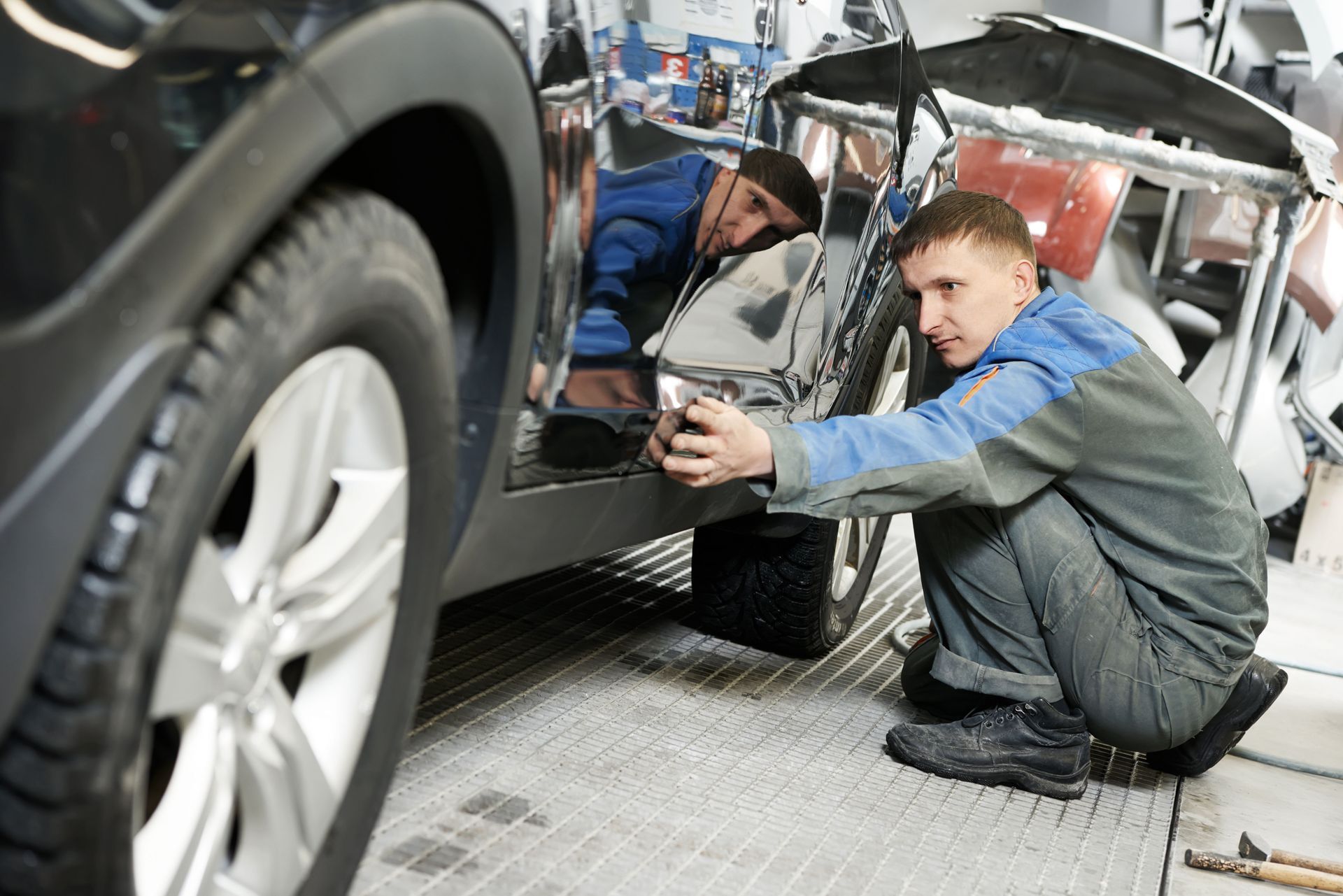
The restoration journey always begins with a comprehensive evaluation conducted at an auto body center. During this initial step, technicians carefully examine the exterior of the bumper to determine the full scope of surface defects, such as deep scratches, cracks, or severe scuffs. However, modern vehicle bumpers are complex assemblies equipped with internal structural supports, impact absorbers, sensors, and wiring harnesses. Technicians at an auto body center often need to disassemble the bumper cover to assess internal components, ensuring that underlying impact bars or sensor brackets have not suffered hidden structural compromise. This initial diagnostic phase usually takes between a few hours and a full business day, depending on shop scheduling and whether preliminary insurance adjusters need to view the vehicle in person.
Navigating Insurance Claims and Approval Timelines
Administrative processes often account for a sizable portion of the time a vehicle spends in a facility. Once an auto body center completes the preliminary teardown and damage assessment, they compile a detailed estimate of parts, labor, and materials required for the restoration. This documentation must be submitted to the insurance carrier for review and formal approval. Depending on the insurance company, the verification process can take anywhere from twenty-four hours to several business days. If additional damage is discovered mid-repair, supplemental claims must be filed and approved, which can occasionally pause physical labor. Working with a communicative auto body center that handles direct claims management helps streamline this administrative step.
Sourcing and Ordering Replacement Parts
The duration of a repair project depends heavily on whether original components can be restored or if brand-new replacement parts are required. If a bumper cover is severely shattered, warped, or missing structural clips, replacing the component entirely becomes the safest route. Obtaining factory-original parts or certified aftermarket components relies on inventory availability and regional supply chain logistics. Standard parts for widely produced vehicles often arrive at an auto body center within one to three business days. However, imported components, backordered items, or parts for rare vehicle models can take significantly longer to arrive. Facilities usually hold off on disassembling the vehicle fully until all crucial replacement parts have been delivered.
Inspecting Minor Repairs versus Complete Bumper Replacement
Not every collision demands a total replacement of the outer bumper shell. Scrapes, shallow dents, minor punctures, and hairline cracks can frequently be corrected using dedicated plastic welding tools, heat reshaping techniques, and body fillers. Choosing restoration over replacement is a common practice across the automotive industry. According to the International Cooperative and Mutual Insurance Federation, over 25% of vehicle owners repair damaged bumpers instead of replacing them. Minor surface work at an auto body center can typically be finished in two to three days. Conversely, when severe impact fractures the mounting tabs or deforms internal safety reinforcements, replacing the entire bumper assembly becomes necessary, extending the overall timeline to five days or more depending on part availability.
Completing Surface Preparation, Sanding, and Primer Application
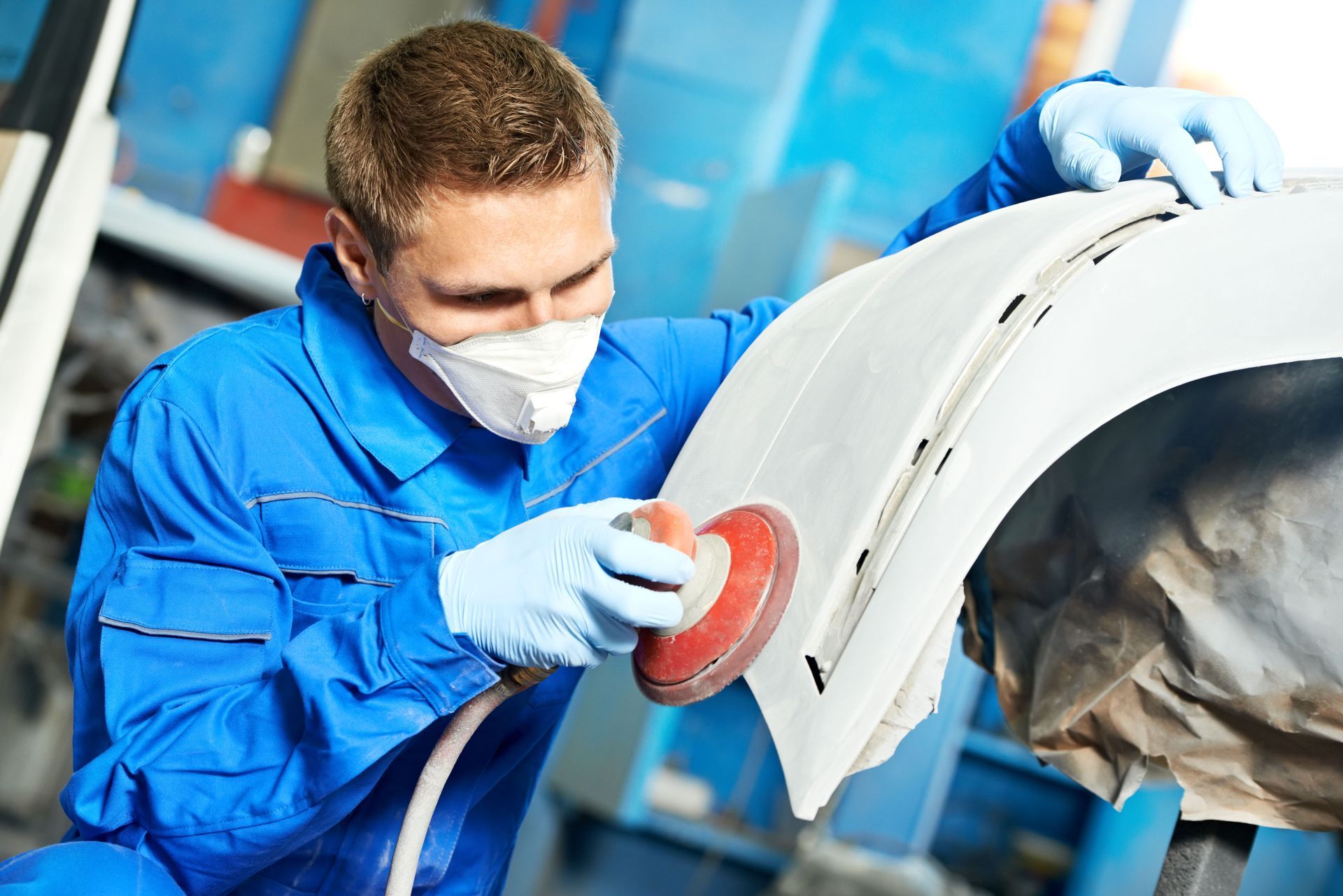
Once structural integrity is established—whether through plastic repair or part unboxing—the component moves into the meticulous surface preparation stage. Technicians at an auto body center sand down the bumper surface to remove old paint, oxidation, uneven filler, and surface rough spots. Proper preparation is critical to ensure that new primer and paint adhere permanently without peeling or bubbling over time. After thorough cleaning and degreasing, multiple coats of protective primer are applied to seal the underlying materials. Each layer of primer requires adequate drying and curing time before being fine-sanded to a perfectly smooth finish. This preparation phase typically spans one full business workday.
Matching Color With Precision and Paint Refinishing
Achieving a seamless finish that perfectly matches the rest of the vehicle requires high precision. Factors like sunlight exposure, vehicle age, and manufacturing variations mean that stock paint codes must be micro-adjusted for each individual car. Paint technicians at an auto body center utilize computerized spectrophotometers to scan surrounding body panels and generate a precise color formulation. Once mixed, the paint is applied in a controlled, climate-regulated spray booth to prevent dust particles from settling on the wet surface. The application includes a base coat for color depth followed by multiple coats of durable clear coat for protection. Painting and curing inside high-temperature drying booths usually take one to two days.
Curing and Paint Drying Cycles
Freshly applied paint cannot be rushed without risking durable finish quality. After the final clear coat is sprayed, the bumper remains in a heated curing booth where temperatures are elevated to accelerate the chemical hardening process. Even with infrared drying lamps and heated spray booths, auto paint requires adequate time to outgas and cure properly before it can withstand exterior road conditions, washing, or assembly handling. Technicians at an auto body center carefully monitor the environment to prevent solvent popping or finish defects during this delicate drying phase. Allowing the paint to cure completely ensures maximum gloss retention and resistance against environmental elements. The curing cycle generally occupies a full twenty-four-hour period.
Calibrating Advanced Driver Assistance Systems
Modern vehicles feature sophisticated safety technologies embedded directly within front and rear bumper assemblies, including parking sensors, blind-spot monitoring radars, and adaptive cruise control modules. When a bumper is removed or replaced, these sensitive electronic sensors are disconnected and reinstalled, which can misalign their factory calibration angles. An experienced auto body center performs comprehensive diagnostic scans and recalibrations to ensure these active safety systems function accurately. Sensor calibration requires targeted calibration equipment, laser alignment tools, and dynamic road tests. Calibrating these safety systems adds approximately half a day to a full day to the total repair timeframe.
Completing Final Vehicle Reassembly and Quality Checks
After all individual components are repaired, painted, cured, and calibrated, technicians proceed with final reassembly. The bumper cover is carefully attached to the vehicle frame, ensuring that panel gaps are uniform, mounting clips are fully secured, and trim pieces fit snugly. The electrical harnesses for fog lights, camera feeds, and proximity sensors are reconnected and tested for operational accuracy. Following reassembly, a quality assurance manager at an auto body center conducts a multi-point inspection. They check for paint blending accuracy, structural alignment, and system error codes. This comprehensive reassembly and final inspection process generally takes one full business day to complete.
Cleaning Up and Final Delivery Preparation
The final phase before handing the keys back to the owner involves thorough vehicle detailing and cleaning. During the repair process, sanding dust, tape residue, and minor overspray can settle on adjacent vehicle panels. Staff members carefully wash the vehicle exterior, clean the glass, and vacuum the interior to restore the car to a pristine condition. A final visual check is conducted under bright lighting to confirm that the repaired bumper blends seamlessly with the rest of the bodywork. The facility then contacts the owner to finalize insurance paperwork and schedule pickup. This final detailing step takes a few hours.
The overall duration required to fix a damaged vehicle bumper depends on damage severity, parts availability, paint curing requirements, and modern sensor calibration needs. While minor cosmetic scratches might be resolved in two to three days, complex structural replacements involving advanced driver assistance systems can require a week or longer. Entrusting your vehicle to a structured workflow at a local auto body center ensures that every phase—from initial inspection through final quality assurance—is executed with care and precision. Proper planning and clear communication with your service team allow you to navigate the restoration process seamlessly. For prompt assistance, expert evaluation, and reliable collision restoration services tailored to your vehicle's needs, contact Calvert Collision Center today to schedule your consultation.